
cinchona tree
Despite the rise of synthetic antimalarials like chloroquine and hydroxychloroquine, Explore the fascinating cinchona tree, a vital source for malaria treatments with significant medical uses and active compounds.
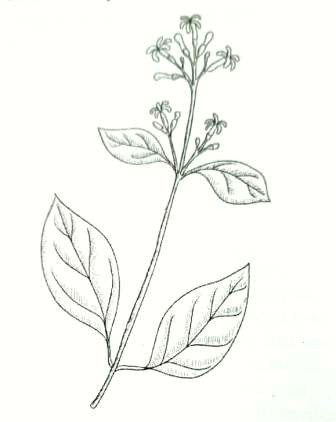
Systematic Position
| Taxonomic Rank | Classification |
| Kingdom | Plantae |
| Division | Angiosperms |
| Class | Dicotyledons |
| Order | Gentianales |
| Family | Rubiaceae |
| Genus | Cinchona |
| Species | C. officinalis (noted) |
Botanical Characteristics
- Shrubs or small trees, 5–20 meters tall
- Leaves: opposite, simple, lanceolate or elliptical
- Flowers: small, tubular, clustered in panicles; colors pink, white, or red
- Fruit: capsules with numerous small seeds
- Bark: thick, rough, reddish-brown or grayish; most significant part medically
Active Compounds
- Quinine: primary alkaloid, historically used to treat malaria by inhibiting growth and reproduction of Plasmodium parasites
- Other alkaloids: Quinidine (treats arrhythmias), Cinchonine (antimalarial intermediate), Cinchonidine (similar to quinine, arrhythmia treatment), plus cinchonamine, cinchotannic acid
Medicinal Uses
- Antimalarial agent: quinine disrupts parasite life cycle in malaria
- Antipyretic: reduces fever in infectious diseases, especially malaria
- Digestive tonic: stimulates appetite and digestion
- Anti-inflammatory: useful in inflammatory conditions
- Antispasmodic: quinine helps alleviate leg cramps